On a typical Oscars night, the Dolby Theatre in Los Angeles can accommodate about 3,400 people. Even if it has decreased since its peak, there are still tens of millions of people watching television worldwide. A single podium, a single microphone, and the person standing at it with a tiny gold statue receive more attention than any other time in Hollywood’s calendar. It’s the most effective broadcasting setup in the entertainment industry for someone who has a message, a cause, and a calculation about what this moment can do for their public identity.
When Marlon Brando declined his Best Actor Oscar in 1973 and sent Sacheen Littlefeather to the platform to give a speech regarding the treatment of Native Americans in the film business, he realized this. Regardless of one’s opinion of the protest’s political content, it was definitely real in its disruptiveness; Brando had no idea how the Academy would respond, the broadcast had not been informed of what was going to happen, and the audience was hostile. He paid a price for it. It landed because of that.
In the decades that have passed, the awards stage protest has evolved into something quite different. The speech has been written. The cause is chosen. The degree of controversy is carefully calibrated; it is important enough to garner media attention, but not so intense as to jeopardize current brand alliances or drive away the segment of the public that the celebrity must retain. The “impulsive” departure or the surprising remark has been carefully considered, frequently in great detail, by management teams that know exactly what type of headline it will generate and whose demographics it will appeal to. The walkout is practiced. The spontaneity is artificial. The genuineness is manufactured.
This is not a pessimistic assessment of all political statements made during awards shows. Some are obviously authentic, obviously expensive, and obviously unrelated to any obvious brand strategy. However, audiences are beginning to acquire the necessary vocabulary for the prepared performative moment since the pattern has become sufficiently apparent. Variations of the same observation are becoming more prevalent in the comments sections under awards show coverage: this person is affluent, this person works within the corporate media system they are criticizing, and this moment is providing big publicity at no cost to them. Whether any of that diminishes the validity of the underlying position is a different matter. The most pressing question is if it reduces the effectiveness of the performance.
The particular economic reasoning underlying the armed acceptance speech is what makes it worthwhile to comprehend. Celebrities who publicly support the proper cause—that is, a cause that is both economically safe and culturally significant—turn that support into brand protection. In response to stakeholder pressure, the companies and studios that work with or collaborate with this celebrity can use the speech as proof of common values. Confirmation of alignment is given to the celebrity’s following among progressive demographics, which are becoming more significant in consumer brand decisions. The speech is widely covered by the media, giving it free, high-profile exposure that no advertising budget could match. If the cause is selected correctly, there is virtually no expense.
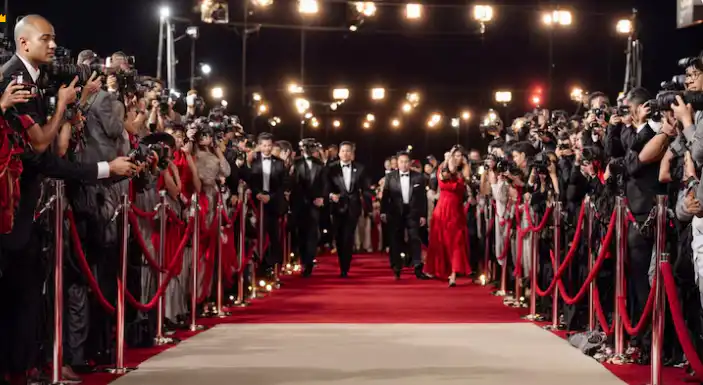
The entertainment business appears to have underestimated how quickly the audience is adopting this reasoning. A rising perception that the performance of authenticity is just that—a performance—is one of the causes contributing to the decline in awards show viewership. A multimillionaire at a platform promoting a stance they are completely shielded from the repercussions of holding is a particular type of moral theater that is much different from someone adopting a stance that genuinely jeopardizes their position. During the show, fans are increasingly expressing the distinction in real time, aloud, on social media.