When does a business stop fighting a trend and start following it? For MS NOW, that time seems to have come—quietly, on a Sunday night. The network slowly stopped showing live, hosted shows on the weekends after 6 p.m. starting June 28. Video podcasts that have already been recorded will take its place. More time is spent on content from Crooked Media. Shows hosted by well-known MS NOW stars like Nicolle Wallace and Chris Hayes will fill times that used to need full studio crews, live producers, and anchors who could switch gears at any time. Even though it doesn’t seem like a big deal at first glance, this change is telling about the future of cable news.
The move has real weight to it as well. “The Weekend: Primetime” was canceled after only a short time on the air. Antonia Hylton, one of the hosts, will switch to work as an afternoon anchor. Alex Witt will be leaving the network later this year. He has been a reliable presence there since 1999, which is longer than many of the current staff have been in journalism. Her leaving doesn’t make the news, but it does mark the end of an era in a quiet way. When Witt leaves, she takes with her one of the few things that still ties the network to its roots as MSNBC, the name of the company that was created when NBC News and Microsoft joined forces. The president of the network, Rebecca Kutler, thanked her for her “endless contributions” in an internal memo. She mentioned her coverage of the Space Shuttle Columbia disaster in 2003 and her reporting from Ground Zero. That’s not a little thing.
Still, feelings don’t affect when shows are shown. Facts do. The data that MS NOW executives have been looking at seems to make the case very clear. About half of the people who watched “Crooked on MS NOW” on Saturday nights were new to the network. The show is made up of podcast clips from hosts like Jon Lovett, Alex Wagner, and Stacey Abrams. Those who watched were mostly younger than 55. These numbers are more important than almost anything else right now for a cable news station whose audience keeps shrinking and getting older.
It’s possible that this change is caused by more than just a scheduling problem on one network. A study by Pew in 2025 found that about 21% of American adults now get their news from social media influencers. For adults ages 18 to 29, that number jumps to 38%. Younger people don’t really dislike news, but they don’t trust the way it’s presented. For many younger viewers, the formal desk, the breaking news chyron, and the anchor in a suit and tie reading from a teleprompter read more like performance than story. Podcast hosts don’t feel the same way. It seems like the conversation is more honest, though it’s not always greater truth.
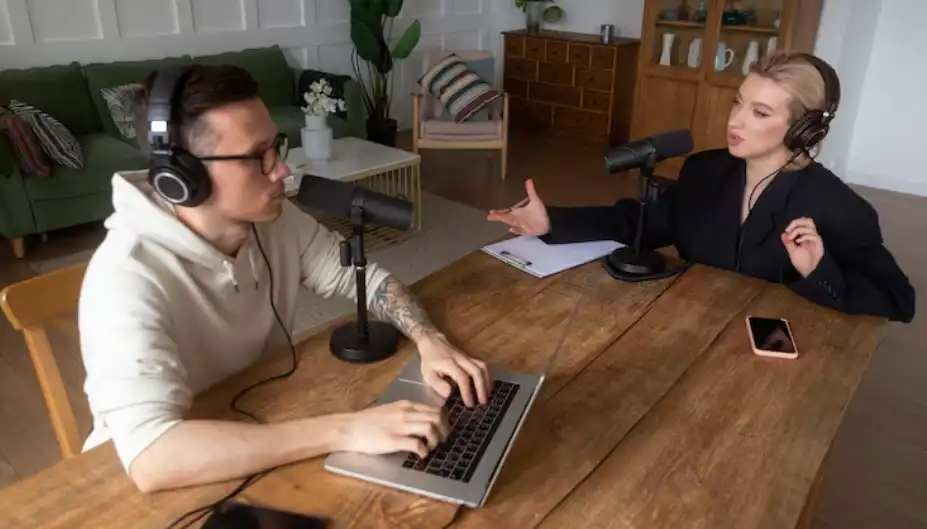
MS NOW isn’t the only one in this. A deal has been made between Fox News and the conservative podcast “Ruthless.” CBS News has just started a podcast about personal finance. CNN has been putting its anchors in less formal settings behind the scenes. For example, Anderson Cooper and Jake Tapper look a lot less businesslike than they did a few years ago. Netflix has expanded into podcast-style formats and even hired former MSNBC anchor Brian Williams for a talk show. The company built its reputation on scripted and premium content. In this industry, it’s hard to miss the way things are going.
People who know about the situation say that less than 2% of the organization’s staff will be let go because of the weekend shift. About 40 open jobs have been marked for employees who are affected, and more jobs will likely be posted soon. It’s not clear if that lessens the effects for those involved.
MS NOW will also likely start a direct-to-consumer streaming service later this year. This service will help MS NOW’s main viewers feel more connected to each other. There will be more information coming soon about that. It’s clear that the network is changing its position—not just changing how it spends a few hours on the weekends, but also how it thinks about the relationship between a news outlet and its viewers in 2025 and beyond.
You should keep an eye on this bet. It remains to be seen if podcast-based shows can keep people interested during a real breaking news event, not just a slow Saturday night.