KAOS Season 2 Release Date, Storyline, and Everything You Need To Know
When Netflix announced that KAOS would not return for a second season, fans worldwide were heartbroken. The bold reimagining of Greek mythology had captured imaginations with its unique style, rich storytelling, and memorable performances.
However, despite its promise and dedicated fan base, the series joined the growing list of shows cut short before their time. This is the story of KAOS: how it began, what it achieved, and what might have been if the gods of streaming had smiled upon it.
A Bold Start and an Unexpected End
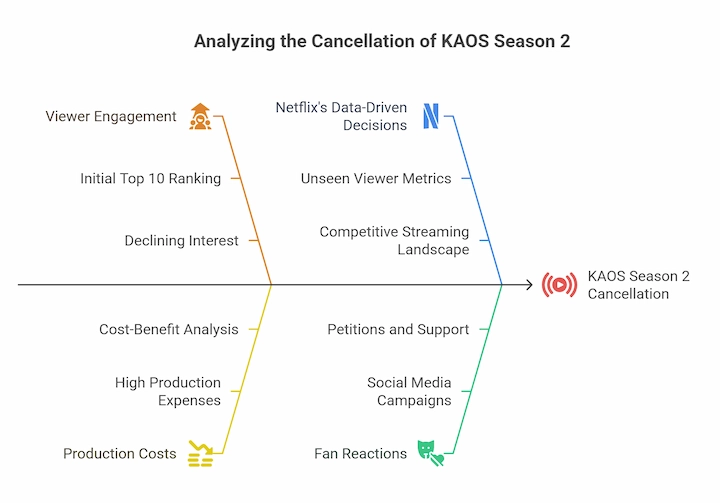
Netflix’s decision to cancel KAOS Season 2 came as a shock. Creator Charlie Covell had envisioned a three-season arc that would explore the clash between gods and mortals in a modern world—the first season had performed well initially, even landing in Netflix’s coveted Top 10 list. Yet, a few months after its debut, Netflix quietly decided not to move forward.
The reasons remain vague. Streaming platforms often weigh complex factors — viewership trends, production costs, and global appeal. Despite a loyal fan following and critical praise, KAOS didn’t meet Netflix’s internal metrics.
Fans didn’t take the news lying down. Social media buzzed with hashtags like #SaveKAOS. Online petitions gathered signatures. Viewers rallied around the cast and creators, hoping for a miracle renewal or rescue by another platform.
KAOS Season 1: Where We Left Off
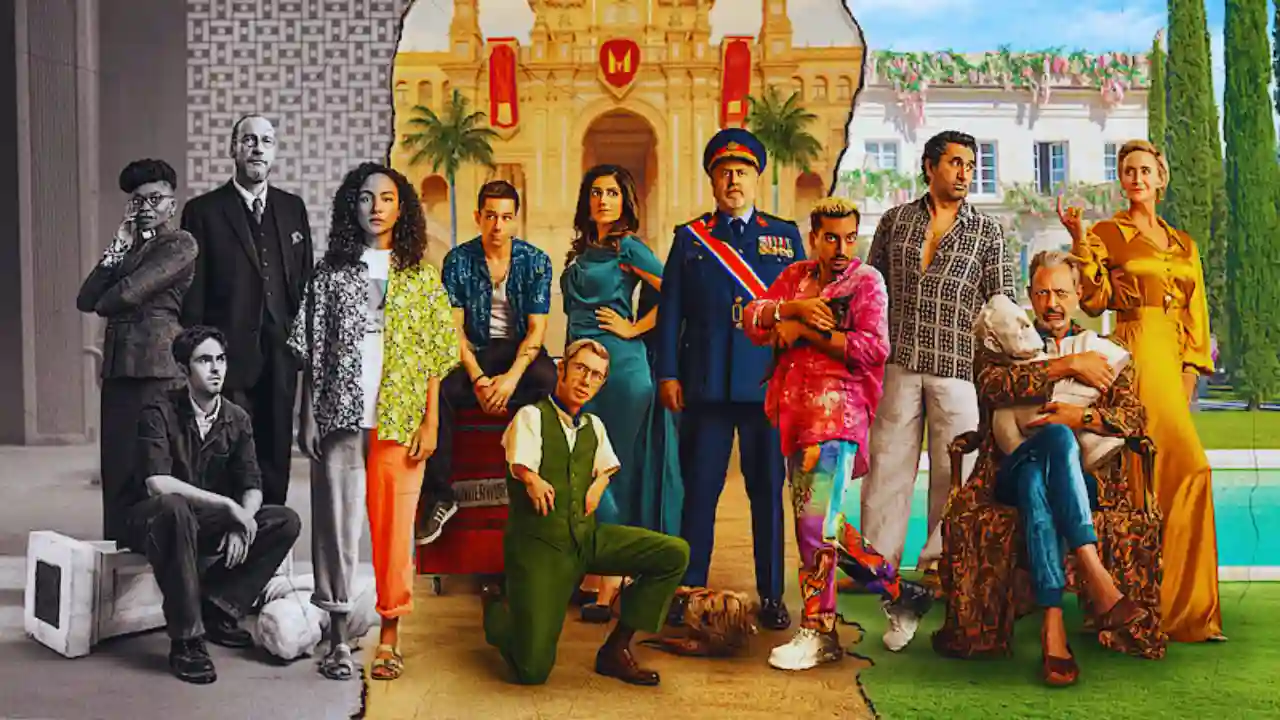
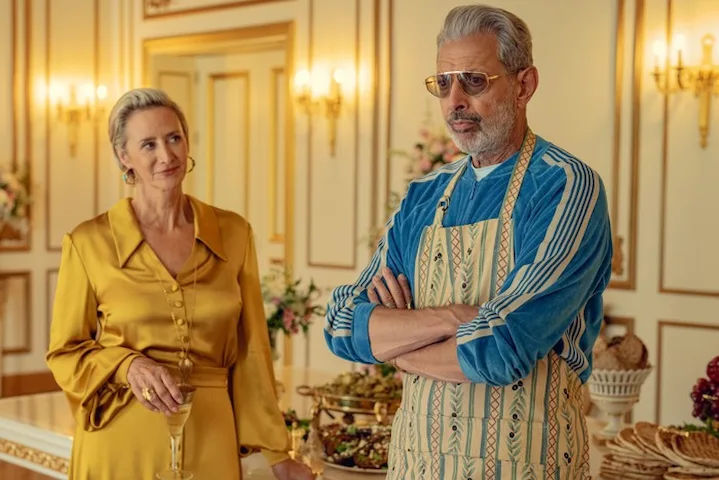
Season 1 of KAOS boldly transported the Greek pantheon into a modern setting. At the center was Zeus (Jeff Goldblum), a king plagued by insecurities and a looming prophecy. Hera (Janet McTeer), regal yet embattled, navigated the treacherous politics of Olympus. Meanwhile, mortals like Riddy and Ari stumbled upon secrets that threatened to unravel the divine order.
By the season finale, a seismic shift had occurred: Prometheus seized Zeus’s throne, setting the stage for an epic war between gods and humans.
The modern reinterpretation of ancient myths resonated deeply with the audience. KAOS made the immortal relatable — gods with flaws, desires, and vulnerabilities. It struck a chord with viewers who saw reflections of contemporary power struggles in the timeless tales.
The Cast That Brought Olympus to Life
Had Season 2 moved forward, the main cast was expected to return:
| Actor Name | Role Name | Description |
|---|---|---|
| Jeff Goldblum | Zeus | King of the gods, facing a prophecy |
| Janet McTeer | Hera | Zeus’s wife, robust and strategic |
| David Thewlis | Hades | Ruler of the Underworld |
| Nabhaan Rizwan | Dionysus | God of wine and chaos |
| Billie Piper | Cassandra | Mortal with prophetic visions |
| Misia Butler | Caeneus | Mortal allies fighting against the gods |
| Aurora Perrineau | Riddy | Mortal seeking freedom for humans |
| Cliff Curtis | Prometheus | Rebel god who seizes Zeus’s throne |
Fans loved the cast’s chemistry — a dynamic blend of veteran talent and emerging stars. Each actor breathed new life into these age-old deities, creating complex characters that audiences could both love and fear.
View this post on Instagram
What Season 2 Could Have Explored
Season 2 was set to pick up immediately after Prometheus’s dramatic takeover. With Zeus dethroned and vulnerable, a fierce battle for Olympus would have unfolded.
The mortals, now armed with knowledge of the prophecy, would continue their quest to liberate humanity from divine control. Alliances would shift. Hera’s ambitions would emerge. The gods would be forced to confront not only external threats but their deepest familial conflicts.
Creator Charlie Covell had teased the introduction of new mythological figures such as Apollo, Artemis, and the Fates. The boundary between gods and mortals would blur, raising profound questions about power, destiny, and free will.
The Production That Never Was
If Netflix had given the green light, filming for KAOS Season 2 likely would have started in late 2024 or early 2025, with a release in 2026. The first season’s stunning visuals and intricate production design hinted at the care invested in world-building.
Locations across Europe provided a rich backdrop that seamlessly blended ancient grandeur with modern grit. Costumes and special effects elevated the storytelling, making the divine feel both awe-inspiring and eerily familiar.
Charlie Covell’s vision was clear: to craft a layered, multi-season narrative that honored the spirit of Greek myth while tackling contemporary themes.
Old Myths, New Twists
One of KAOS’s greatest strengths was its ability to reimagine mythology for modern audiences. Season 2 was poised to deepen this approach.
Viewers could have witnessed the wild Maenads, a modern retelling of Apollo and Daphne’s tragic tale, and the unfolding consequences of Prometheus’s rebellion. The Titans, ancient adversaries of the Olympians, were rumored to enter the fray, providing rich backstory and new narrative possibilities.
Themes of family conflict, betrayal, and the hunger for freedom — so central to Greek myth — would have remained front and center. And the show’s commitment to giving female characters agency would have continued to challenge traditional narratives.
The Fight for Renewal
The cancellation sparked an outpouring of support. Fans mobilized on social media, hoping to sway Netflix or attract interest from other streaming platforms, such as HBO or Amazon Prime.
“KAOS gave us something fresh — mythology with heart, humor, and bite,” wrote one fan.
“We need to finish this story,” another posted. “It matters.”
While few canceled shows find a second life, examples like Lucifer and Brooklyn Nine-Nine offer hope. The creators and cast expressed gratitude for the fans’ passion, even as the future remained uncertain.
Cultural Impact and Legacy
Though short-lived, KAOS made a lasting impression. It sparked renewed interest in Greek mythology, particularly among younger viewers unfamiliar with these ancient tales.
Educators noticed that students were asking more questions about myths after watching the series. On social media, KAOS-inspired fashion, music playlists, and fan art spread widely. Its modern exploration of gender, power, and family resonated in an era hungry for stories that challenge old hierarchies.
The show joined a cultural wave alongside Percy Jackson, Lore Olympus, and other contemporary retellings. It reminded us that myths endure because they reflect our most profound questions — about who we are, who we serve, and what freedom truly means.
FAQs
Will there be a KAOS Season 2?
No, Netflix has officially canceled the series.
What was the expected release date for KAOS Season 2?
Had it proceeded, Season 2 likely would have premiered in 2026.
Who would have been in the cast?
Key cast members from Season 1, including Jeff Goldblum and Janet McTeer, were expected to reprise their roles.
What would the plot have covered?
The aftermath of Prometheus’s coup, a brewing divine war, and mortals fighting to reclaim their fate.
Why was KAOS canceled?
Netflix did not provide specifics, but it likely based the decision on internal data about viewership and production costs.
Final Words
Though the halls of Olympus may have fallen silent, KAOS left an indelible mark. In just one season, it reawakened ancient stories for a new generation, daring us to rethink the myths we inherit. With wit, warmth, and vision, the series explored timeless questions of power, destiny, and resistance.
For its fans, KAOS will remain a symbol of storytelling’s power to connect past and present. The gods may not return to our screens, but their echoes will linger in the hearts of those who watched, wondered, and hoped for more.