During a very important fight scene in Supergirl, a really sad cover of Jimmy Eat World’s “The Middle” plays over it. The message of the song, “Don’t give up on yourself yet,” hits with a little irony right now. Because people had already seen it, it turns out.
The movie made $37.1 million in its first weekend in the United States and $62.6 million around the world. Those numbers are very bad for a movie that cost $170 million to make and another $120 million to market. They send a message.
Warner Bros. and DC Studios were really on the move when they came in. Last summer, James Gunn’s Superman opened to $125 million and went on to make over $618 million worldwide. It was a real turning point for a franchise that had been having trouble for years. In his victory speech, CEO David Zaslav talked about a “bold 10-year plan” and “real momentum.” For a short time, it seemed like DC knew what was going on. Supergirl makes that story a lot more complicated now.
The fact that almost nothing about this stumble is surprising now is part of what makes it interesting. Kara Zor-El has never carried a big book. People remember the 1984 Supergirl movie less as a cult classic and more as an interesting curiosity. Analyst Jeff Bock of Exhibitor Relations made it clear: Supergirl has never been a character for events. They need a reason to leave the house for a superhero they’re not already invested in, and most people said this movie didn’t give them one.
There’s also the matter of when. Supergirl came out in the middle of a busy summer full of sequels, animated movies, and huge hits from other franchises. At the end of July, Spider-Man: Brand New Day will be out. The Odyssey by Christopher Nolan is coming up soon. The animated Universal movie Minions & Monsters is right behind it. That environment makes it hard for any movie to breathe, even a good one, and early reviews of Supergirl were not good.
The movie is expected to make around $100 million in the United States and $200 million to $210 million around the world. It would have to make at least $300 million to break even, and maybe even more. Based on which sources you trust, the losses could be anywhere from $80 million to $120 million. That’s a bruise, not a fatal blow, but it means something. It comes after The Bride!, which bombed in the spring and only made $23 million around the world. There have been some small wins for Warner Bros. this year.
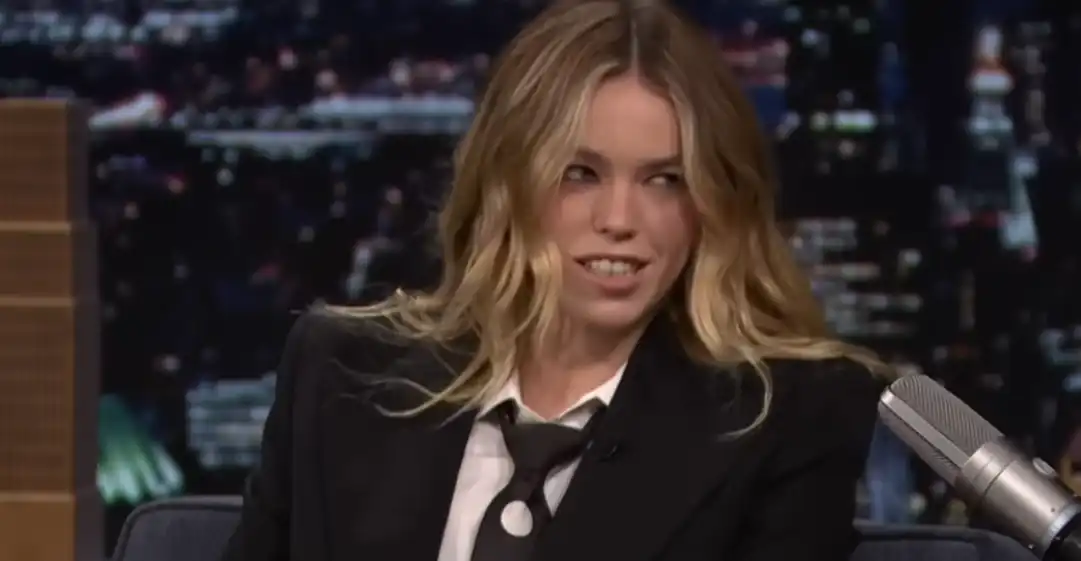
One interesting fact is that the movie’s star, Milly Alcock, who is best known for her role in House of the Dragon, was paid about $400,000 for it. She doesn’t have any back-up plans. Other filmmakers don’t either, which is why the studio’s breakeven point is lower than it would be for a movie with a star like Joaquin Phoenix or Lady Gaga. Both of those stars made a lot of money on Joker: Folie à Deux, which was another expensive failure. There may have been some measuring of expectations, even within the company, since the economics were set up in a more cautious way.
All of this could be explained by people getting tired of superheroes, but that’s probably too simple of a view. Shawn Robbins of Fandango said it best: people are tired of superhero movies, not just superhero movies in general. People are still coming to see stories with characters they care about that feel unique. That was shown by Deadpool and Wolverine. Batman had already shown that. They are quietly against the assembly-line expansion, which includes putting newer, lesser-known heroes in expensive movies without giving them enough to work with.
DC is still not done. Superman: Man of Tomorrow is already being made, and Clark Kent, played by David Corenswet, is still the real center of this new universe. But Supergirl is a good, if painful, reminder that progress isn’t always smooth. It takes more than one hit to make a franchise. It takes time to build trust, and it can be lost just as quickly.
In that battle scene, the song was right about one thing: it’s too soon to give up on anyone. DC needs to decide if it learns from this mistake or just moves on with hopes that the next big cape will be well-known enough to hide the flaws.