On June 22, 2026, Whitney Houston, Bruce Springsteen, and Alicia Keys paid their respects to Clive Davis, who died at the age of 94. The soundtrack. The music is always there. However, something completely different was hidden in the corners of his Westchester estate and along the corridors of New York University: a collection of sculptures and paintings that were discreetly estimated to be worth $100 million. When a man’s career spans almost seven decades of chart-topping history, it’s easy to ignore art. Once you see whose names are on the canvases, it becomes more difficult to ignore it.
Damien Hirst, Dale Chihuly, Warhol, and Picasso. Botero, Fernando. Adolph Gottlieb and Alex Katz. These aren’t the names of artists one happens to run into at a gallery opening. This is the product of someone who actually considered what to gather and why. Looking at that list gives the impression that Davis approached art in the same way he approached signing artists: with a special eye for what would last rather than just what was trendy at the time.
A portion of his collection was given a permanent home at New York University’s Clive Davis Institute of Recorded Music. The others stayed with him at his expansive 17-acre estate in Northern Westchester County, which is also the site of his renowned yearly Memorial Day Weekend parties, which brought together the biggest names in music in an 8,000-square-foot main house with two pools, a tennis court, and an 80-seat home theater. At one point, he simply remarked, “I enjoy it thoroughly.” The spectacle and the art coexisted quietly and according to his own terms, just as they had throughout his life.
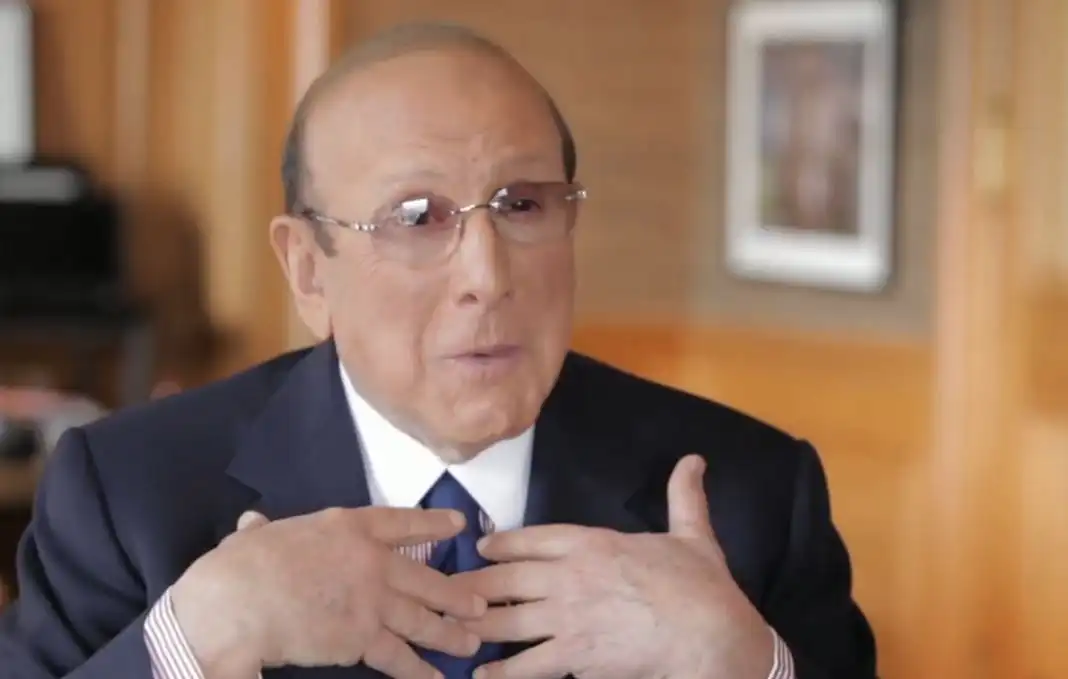
It’s worthwhile to consider whether a $100 million art collection represents something more intentional or if it is the kind of asset that naturally builds up over a long, prosperous life. For Davis, it seems to be the latter. Purchasing Warhol and Hirst is not a coincidence. These purchases were made with knowledge, purpose, and possibly the same intuition that enabled him to recognize what the world was about to witness when he heard a Whitney Houston demo tape. It’s hard to say for sure whether that instinct carried over from music to canvas, but it’s hard to ignore the similarities.
His wider wealth, which is estimated to be between $600 million and $850 million depending on the source, was mostly derived from his nearly 70 years of work in the recording industry, which included positions as a lawyer, president of Columbia Records, architect of Arista, J Records, and finally Chief Creative Officer of Sony Music Entertainment. Another dimension was added by real estate: apartments in Manhattan, including a long-held home at the Ritz Tower in Midtown East, were expanded and renovated over time to reflect his unique taste for scale. Therefore, his financial legacy did not consist solely of the art collection. It was probably the most intimate part of it.
Not all of Davis’s mourners chose to concentrate on his estate’s museum-caliber walls. India.In a lengthy public statement after his passing, Arie suggested a different kind of ledger, one that tracked the musicians who went through major record labels and emerged diminished rather than honored. How history will compare those stories to the indisputable achievements is still up in the air. For his part, Jermaine Dupri urged BET to spend a lot of time honoring the man who, according to Dupri, truly understood what Black music meant to the world.
The collection on those Westchester walls is unmistakably a representation of something enduring. Ownership of music catalogs changes, streaming rights are renegotiated, and businesses combine and disband. Renegotiating is not what a Picasso does. Davis may have grasped the idea that great art, like a great record, eventually speaks for itself better than most.