On June 26, Sean Preston and Jayden Federline performed a simple fashion function when they walked the Vetements runway: modeling clothing for a menswear line. However, the casting’s aftermath was anything but simple, and those who monitor luxury houses‘ brand engagement have been closely examining the figures.
The Gvasalia brothers launched the label Vetements, which has always recognized that casting is a creative act in and of itself. Vetements built their identity around purposeful provocation and anti-establishment positioning. A show’s walker conveys information about the brand’s meaning, target audience, and cultural domain. It is a multi-layered casting choice to book Britney Spears’ sons for their joint runway debut. These two young men bear one of the most legendary names in pop culture history without having pursued or earned that status themselves. It’s sentimentality. It’s a critique of inherited fame. Anyone who grew up seeing their mother’s narrative unfold on daytime television and tabloid covers will find it to be a conversation starter. The moment the first picture is taken, all of that becomes active.
The ensuing engagement metrics were noteworthy. Millions of social media impressions, Vetements search volume spikes that reached far beyond the audience of the fashion press, and influencer commentary from people who wouldn’t typically talk about a Parisian menswear show. The “mom effect”—the way Britney Spears was frequently mentioned in pieces purporting to be about Sean Preston and Jayden—acted as a multiplier. Fashion lovers were not the only intended audience. It was anyone with an opinion about Britney Spears, which in 2026 still makes up a sizable portion of the online population.
When all is said and done, Paris Fashion Week‘s multiple shows, business gatherings, buyer meetings, and media coverage bring in about €10 billion for the French economy each year. Vetements’ specific revenue from the Spring/Summer 2027 collection won’t be visible in any public data for months, and it is challenging to determine the individual contribution of any one show to that figure. However, there is ample evidence linking viral cultural moments during fashion week to later commercial performance. Website traffic rises, search-driven direct purchases spike, and retail waitlists fill in ways that are predictably correlated with the volume of engagement when a show makes a significant impression outside of the industry audience—when it becomes something people talk about rather than something they read about.
In an effort to appeal to Gen Z consumers, premium firms have turned to the “nepo-baby” casting category as a commercial strategy. When a brand needs content that goes beyond the typical fashion media ecosystem, children of famous people come with pre-existing cultural context, built-in audiences, and a story that writes itself. Anwar Hadid, Kaia Gerber, Lila Moss, and others have shown that this strategy produces disproportionate involvement in comparison to the casting expense, especially for businesses that present themselves as culturally literate rather than just heritage-driven. The Federline brothers, in particular, fit that description because their family story has emotional resonance that a more traditional celebrity offspring would not.
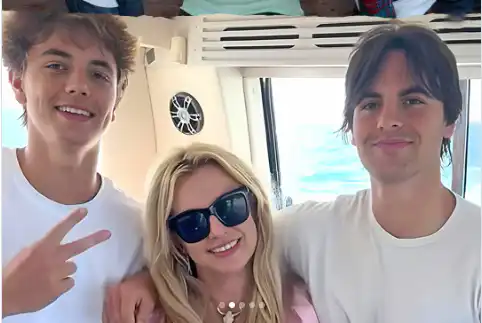
It matters what the brand does next. The commercial translation of the debut moment is dependent on what Vetements builds upon it. The initial engagement bump builds into something with a longer commercial shelf life if Sean Preston and Jayden start to appear frequently in the brand’s visual language, such as campaign images, editorial features, and social media content. The surge is real but limited if the runway appearance is a one-time casting choice. The fashion business has witnessed both results from comparable situations. The distinction is typically whether the brand views the cultural connection as a one-time tool or as the start of a real relationship that is worth cultivating.