A hundred miles west of San Antonio, in the rugged scrubland of the Texas Hill Country, a ten-foot-tall giraffe lived for two weeks, eating everything she pleased and seemed unconcerned about being discovered. Three-year-old Gracie, who lives at Cedar Hollow Ranch in Leakey, had descended on the wrong side of the property boundary after passing through an open gate. Her weight was 1,200 pounds. From a fair distance, she could be seen. And she avoided trail cameras, drones, helicopters, and a $5,000 prize for fourteen days before being detected from the air early on June 26, 2026, some four miles south of her enclosure.
In some way, the ranch owner’s depiction of her when she was discovered—”fat and happy,” having been well-fed by the local Hill Country foliage—was the ideal conclusion to the kind of tale that doesn’t need embellishment to work. There are coyotes and mountain lions in the area she had been traveling through. The danger was genuine. Her two weeks were seen differently by the internet.
Social media determined that Gracie was on vacation a few days after the news broke. Images created by AI depicted her operating a stock car. Some showed her visiting water parks in Texas or strolling along San Antonio’s River Walk, with sunglasses suggested even if they weren’t shown. Every day, additional memes were added to the hashtag #GracieTheGiraffe, and users worked together to create a story about an animal who had just chosen to take some time for herself. The softer tone was taken up by local news outlets. National media outlets came next. A lost giraffe that seemed to be thriving well took up the nation’s media attention for a short while.
The timing and texture of that response are noteworthy. There is enough of serious substance in the news cycle. There is enough real alarm in any given week to capture the interest of anyone keeping a careful eye on things. And into that setting came a tale with no true antagonist, no human casualties, and an uninterviewable protagonist who conveyed something by her physical presence and seemingly astute sense of where to get the best leaves. People were appreciative of it.
This is not a pointless observation. For years, media consumption and collective stress researchers have observed that people under prolonged stress seek out stories that are really light—that is, stories that are ludicrous in a way that makes others laugh, rather than ones that are intentionally happy. According to those criteria, a giraffe that wanders a 7,500-acre Texas property as helicopters scan overhead is eligible. It was odd, had a pleasant ending, and posed no threat to anyone who was important to the readers.
Animal rights activists made sure to include the more nuanced narrative regarding Cedar Hollow Ranch’s actual operations in Gracie’s news cycle. According to its own description, it is a commercial exotic animal breeding business that has marketed animals for use in captive hunting. In Texas, the laws pertaining to private exotic animal possession are very lax. From one point of view, Gracie’s return to the ranch following her excursion marks the conclusion of a delightful tale. From another perspective, it is the return of a giraffe to a commercial setting that is not beneficial to her.
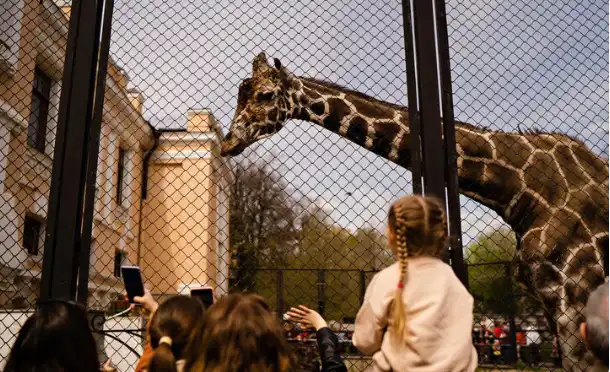
During the two weeks she was away, those two reactions—the memes and the policy concern—coexisted, and they still do. The internet is big enough to accommodate both. It is legitimate to wonder what Gracie’s existence in a commercial breeding facility is like. When the chopper crew discovered her that Thursday morning, seemingly prospering, the comment sections were filled with relief.